

Badfinger recorded Head First at Apple Studios the first two weeks of December 1974. Apart from a rough mix appearing in 2000, it only now sees a proper release. Michael Björn talks to surviving member Bob Jackson about the most downtrodden power pop album of the last 50 years.
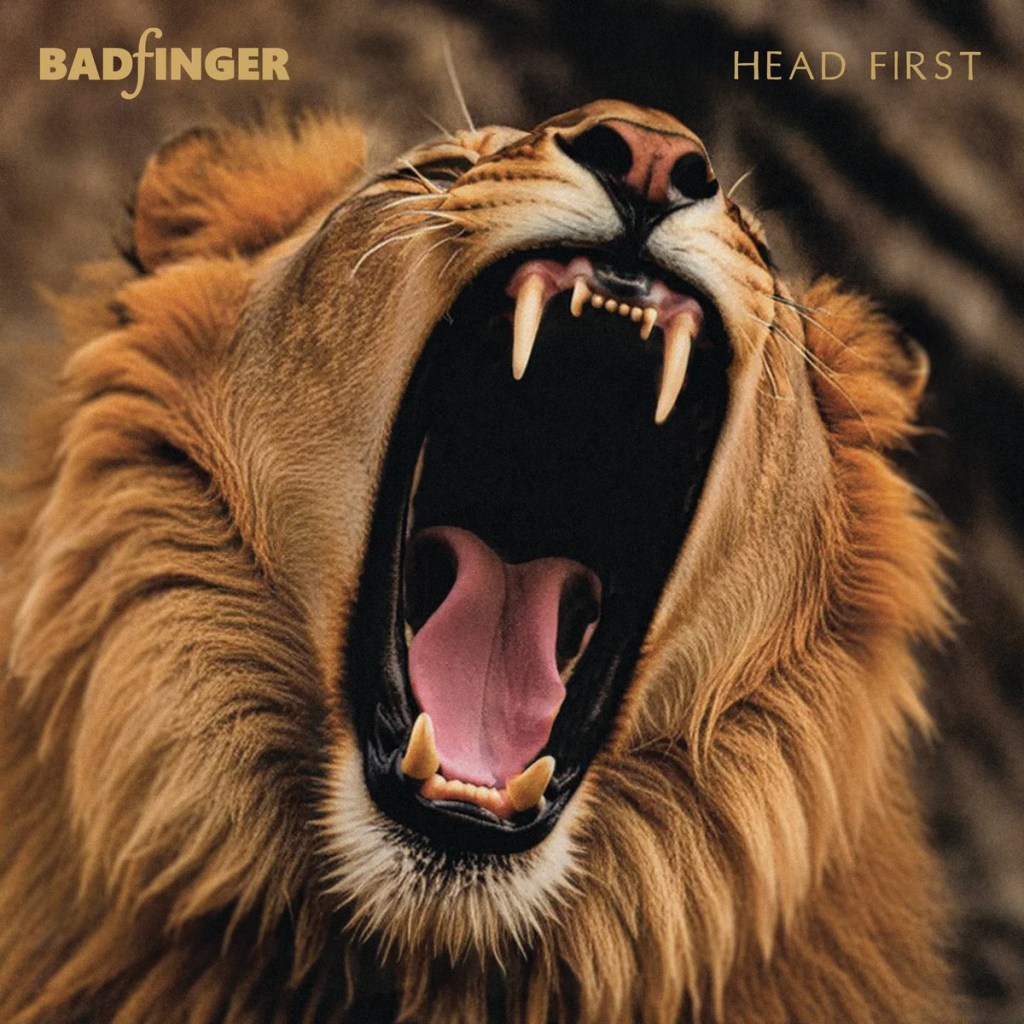
After having been thought lost for nearly all this time, Bob Jackson finally managed to not only verify the existence of the master tape, but also get access to it. For him, it was a transformative experience. “Fantastic!” he exclaims. “It really brought back the whole atmosphere of 50 years ago. Unbelievable.” Bob’s eyes glaze over as he briefly relives that moment in his mind. “It was a really magical thing to hear,” he says wistfully. “Us chatting with each other, that kind of thing… I can’t really put it fully into words.”
In October 1974, Badfinger’s seventh LP, Wish You Were Here saw its troubled release (a full year before Pink Floyd monopolized that album title) — troubled, as in Warner Bros having first refused to accept the tapes due to financial wrangling with the band’s manager, Stan Polley, but later releasing the album without fanfare and with no single to promote it. There were conflicts in the group, and at a management meeting main songwriter Pete Ham snapped at the involvement of guitarist Joey Molland’s wife Kathy and very suddenly left the band.

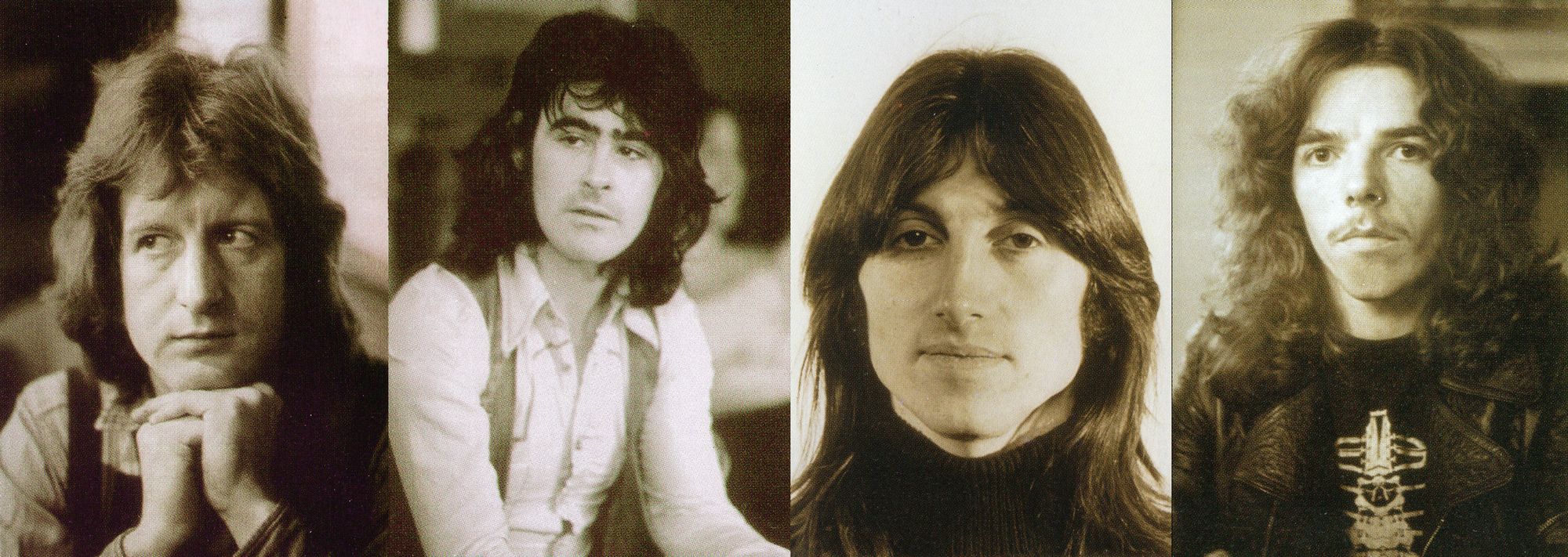
Meanwhile, Bob Jackson, formerly lead vocalist and keyboardist of hard rock band Indian Summer, had joined up with Alan Ross in the band Ross. They had toured the USA in support of Eric Clapton. “That was a great, long tour,” says Bob. “But by the end I wasn’t completely happy.” He left the band and returned to his native Coventry without a clear plan in mind. In early October, quite out of the blue, he received an unsigned telegram asking if he wanted to audition for an unnamed band. “I never did find out who actually sent it,” says Bob, who nevertheless went to the audition, only to discover that it was for replacing Pete Ham in Badfinger. “That was quite a surprise!” He jammed with the band, playing rock’n’roll and blues standards. “We all seem to think it worked,” concludes Bob. “So I got the gig.”
But only a few days into rehearsals for the double bill tour they were going on with Man, Pete showed up, uninvited. “He listened, and he was nodding his head,” remembers Bob. “After a while the four of them went off somewhere, and I was left on my own, thinking, ‘What the hell is happening here?’” They were gone for quite a while. When they finally returned, they told Bob that Pete was coming back but that they also wanted him to remain. “That was a relief!” exclaims Bob. “So we did the tour as a five piece.”

But there were still internal conflicts and when the tour was finished, Joey Molland decided to leave, making Badfinger a quartet again. “That left me in the band with Pete, the guy I’d replaced,” muses Bob. “Very, very strange.” However, it was about to get even stranger. Only a week after the tour, their manager Stan Polley told them to record another album. “We didn’t understand the need for it because Wish You Were Here had only recently come out,” says Bob. “Stan Polley said, ‘Put what you want on it, it doesn’t matter. But record it because I want to hand it in for the next advance.’” Stan had booked the two first weeks of December for them at Apple Studios. Not a lot of studio time for an album — however, they saw no other choice but to go there. “There was no time booked in for rehearsals, or for working at the arrangements,” says Bob resignedly. “It was just, get on, do the job. So we did.”
“Stan Polley said, ‘Put what you want on it, it doesn’t matter.'”
Songs were pulled together in a rush, with everyone chipping in. Pete Ham could be seen in the lounge, hurriedly trying to put the final touches to what he probably intended as their next hit single, ‘Lay Me Down’. The fact that it wasn’t is almost beyond comprehension. Nights away from the studio were also spent working. Bob lived far away and spent some time in Tom Evans’ home, where they worked on ‘Passed Fast’. “Tommy had a little rehearsal thing upstairs in his house, and we wrote it up there,” says Bob. “We wanted to make it quite dramatic.” And that drama was reflected around them. One day, as Bob walked into the studio, having come down from Coventry, he noticed that something was terribly wrong. “Mike, the drummer, said, ‘Pete’s just thrown a wobbly. He’s thrown his guitar at the wall.’, says Bob. “All he was trying to do at the time was tune his guitar. But such was the rush and the confusion and angst.” Given all the excellent Pete Ham demos that have since surfaced, it is easy to think that the album could have been based on much stronger material, but there probably wasn’t time to think straight — and Pete’s thoughts weren’t necessarily straight at this point in time anyway.

While not on par with the honestly amazing Wish You Were Here, the album certainly holds its own ground, with great playing, classy vocal harmonies and some excellent tunes. Apart from the angry and frustrated lyrics — as on Evans’s furious ‘Hey Mr Manager’, his claustrophobic ‘Rock ‘n’ Roll Contract’ or Jackson’s doleful ‘Turn Around’ — it’s tumultuous gestation is not audible in the solid performances. “What were we gonna do after this album? Where were we going to go?,” asks Bob. “I think, actually that kind of cemented us together a bit.”
Sadly, the project was immediately caught up in legal battles with Warner Bros when Polley took the advance that had been placed in an escrow account. “We were in the middle of it. Our cheques stopped, it really was awful,” says Bob. “And of course, that led to the chain of events that led to Pete getting so depressed.” Pete Ham committed suicide on April 24, 1975, and there was no more Badfinger. Warner Bros pulled Wish You Were Here from the shelves, and Head First was cancelled.
In the year 2000, after extended legal wrangling with Warner Bros, Bob organised a release of the album based on the only available source; rough session mixes. The master had been brought to the USA for mixing in 1974, but Warner Bros were saying that it had since been lost. “They said they hadn’t got the master tape and they couldn’t find it. There was a space in the filing rack where the master should have been, and it wasn’t there,” says Bob. “I looked for years and had more or less given up.” But then, he found clues that made him think otherwise. “Someone had put stuff up on YouTube, kind of remixes of the album,” says Bob. “I thought, wait a minute, how did that happen?” Eventually, Warner Bros admitted to the master tape actually existing, and after even more wrangling, they agreed to let Bob use it for a proper mix. “For 48 years, I thought it was gone,” says Bod. “So it was amazing.”
Bob then together with Badfinger touring band member Andy Nixon set about working on the material. “If we were going to be true to the idea of the album, it’s was going to sound like it was from that era,” says Bob. “I didn’t want to make it sound too modern.” The result is very much what you’d expect from a Badfinger album, with a focus on melodic tension and release — the beating heart of any great pop song — rather than studio trickery. Apart from significantly improved sound, the changes compared to the 2000 release are more subtle. “People will hear stuff they haven’t heard before because we’ve included some of the chat,” says Bob. “We’ve even put on some of the count-ins.” Speaking of those, the already existing count-in for ‘Lay Me Down’ was initially removed. “Then we thought, no, actually it’s better with it on, so we kept that.” But as for outtakes, there wasn’t much to go on, due to the stressful recording situation. “It was just like bang, next one, bang, next one, bang,” remembers Bob. “We didn’t have the time to be subtle, so there wasn’t a lot of outtakes to include.”
“We didn’t have the time to be subtle”
The one exception is ‘Saville Row’, which has been extended from 36 seconds to almost two minutes and now ends the album. “I thought it was a little bit of an insult to ‘Savile Row’ on the Snapper release,” says Bob. But given that there wasn’t actually anything more on the master tape, he had to be creative about it. “We used the existing parts, but arranged them differently, so they don’t all just come in at once,” explains Bob, who instead used a staggered approach starting with simple keyboard, then enhancing the synth lead line and finally adding vocal parts copied in from other tracks. “We will never know what Pete was aiming at,” says Bob. “If he’d have developed it, I’m sure it would have been something completely different.”
Head First is released on Bandcamp exactly 50 years after its jinxed recording. A Friday 13th release date might seem fateful — but that just goes with the territory.
 Popgruppen
One thought on “Head First, at last”